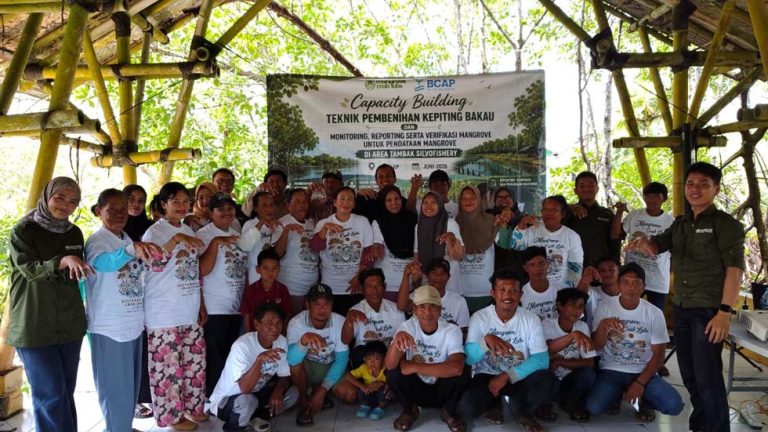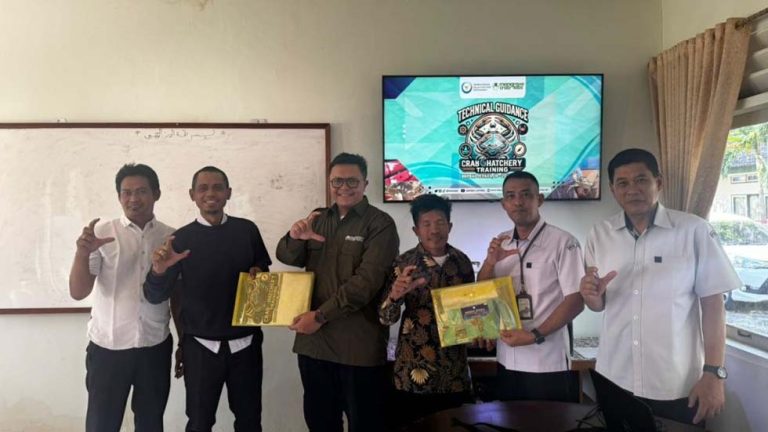

JEPARA, Mangrove Crab Labs — In a definitive move to break the industry’s reliance on wild-caught crab seeds, a strategic capacity-building initiative was recently undertaken by Mangrove Crab Labs. To champion sustainable, technology-driven mud crab aquaculture, the company’s team actively participated in a rigorous three-day intensive training program hosted at the Jepara Brackish Water Aquaculture Fisheries Center (BBPBAP).
Functioning as a premier technical unit dedicated to the development and testing of brackish water aquaculture, BBPBAP Jepara designed the curriculum with a highly integrated approach. Moving beyond conventional classroom theory, the program prioritized a “learning by doing” methodology, placing a dominant emphasis on direct, hands-on practice within the facility’s active hatchery installations.
During the intensive sessions, the Mangrove Crab Labs team was immersed in the end-to-end complexities of mud crab breeding under the direct supervision of seasoned aquaculture experts. The comprehensive, SOP-based training guided participants through critical operational phases, beginning with the meticulous selection of high-quality broodstock, moving into the spawning process, and concluding with precise larval hatching and seed maintenance.
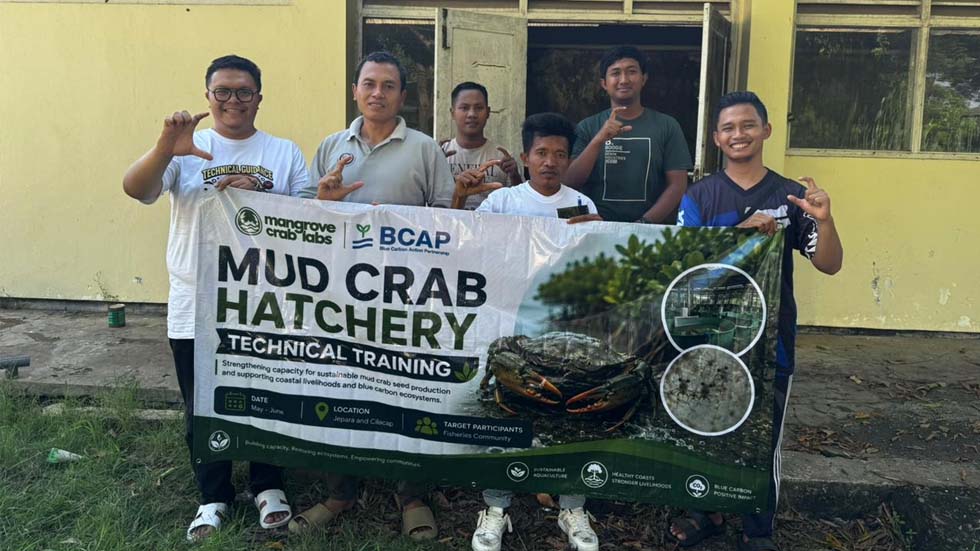
Tackling Real-World Field Challenges
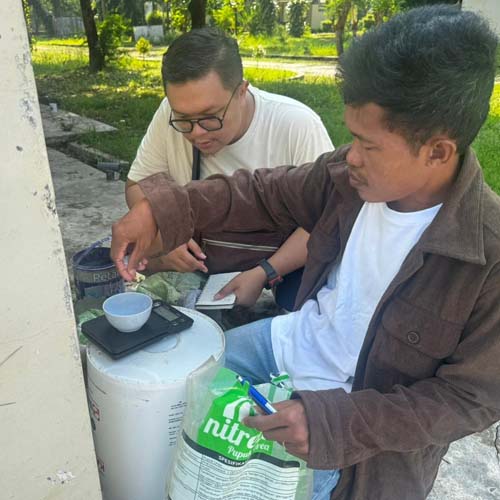
The true value of this hands-on approach was the ability to immediately translate theory into applicable skills. By engaging directly with the hatchery infrastructure, the team was trained to identify and resolve practical challenges often encountered in the field. Key technical activities mastered during the program included:
A Vision for Collaborative Conservation
For Mangrove Crab Labs, mastering these independent seed production technologies is a foundational step toward a larger vision. By equipping their team with advanced hatchery capabilities, the company is reinforcing its commitment to sustainable silvofishery and drastically reducing the ecological strain caused by harvesting seeds directly from natural habitats.

Looking ahead, this intensive training is expected to act as a catalyst for wider impact. Mangrove Crab Labs aims to actively disseminate this applied knowledge to the broader public, fostering a robust synergy between government bodies, research institutions, and coastal communities. Through this collaborative effort, the future of mangrove-based crab farming will not only serve as a powerful engine for local economic growth but also ensure the steadfast conservation of fragile coastal ecosystems.